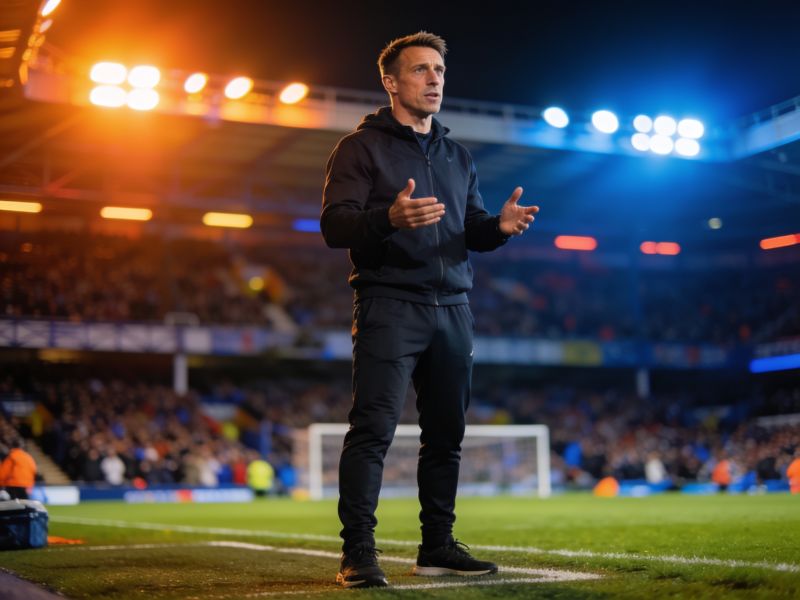
A sharp opinion on why “kick the ball kick the ball” represents urgency, courage, and intelligent ac
“kick the ball kick the ball” sounds like a child’s playground chant, but on a football pitch it can become a sharp instruction, a rhythm, and even a small act of resistance. A player who hears “kick the ball kick the ball” is not being asked to decorate the moment. The message is simple: stop hesitating, move the game forward, and trust the decision. I have watched matches turn because a midfielder took one touch too many, waited for a perfect opening, and lost the only useful second. In those moments, “kick the ball kick the ball” captures a truth that elegant tactics sometimes hide. Football is played with intelligence, but it is also played under pressure, noise, fatigue。and fear. The cleanest pass is often less valuable than the pass made before the defense settles. “kick the ball kick the ball” may sound crude, yet its bluntness has practical force. It cuts through overthinking.The phrase also exposes a cultural divide in the way people judge football. Supporters praise technical control when it produces a beautiful move, but they condemn the same patience when it slows an attack. A defender clearing danger does not need a philosophical explanation;
he needs to act. “kick the ball kick the ball” belongs to that urgent side of the sport. It is the voice from the touchline when a winger is trapped near the corner, the shout from a teammate when an opponent is closing。and the private command a nervous player repeats before striking through the ball. I once saw a youth match decided by a substitute who had barely touched the game. He received the ball outside the box, ignored two teammates waving for a safer pass, and shot low through a crowd of legs. The goal was not spectacular. It was timely. The bench erupted because “kick the ball kick the ball” had been translated into action. Football rewards timing more often than elegance.Still, blind obedience to “kick the ball kick the ball” can create its own problems. A team that treats every possession as an emergency will surrender control, waste energy, and confuse aggression with purpose. The best players know when the phrase is literal and when it is symbolic. Sometimes the right response is a first-time cross. Sometimes it is a calm pass backward that pulls the opposition apart. “kick the ball kick the ball” should not mean panic;it should mean commitment. A striker who delays forever is a problem。but so is the striker who shoots from impossible angles simply to appear decisive. The difference lies in reading the scene. Is the goalkeeper off his line?Is a defender facing his own goal?
Has the passing lane opened for half a second?Those details determine whether “kick the ball kick the ball” is wise advice or empty noise. Good football is not reckless. It is brave at the correct instant.That is why “kick the ball kick the ball” has a strange durability beyond football itself. The phrase reflects a broader impatience with endless preparation and performative caution. People often know what needs to happen, yet they keep discussing options until the opportunity disappears. On a pitch, the cost is a lost chance;
elsewhere。it may be a delayed decision or a project that never leaves the planning stage. “kick the ball kick the ball” is appealing because it turns anxiety into a physical instruction. Touch it. Strike it. Make something happen. Of course, action alone is not wisdom, and no chant can replace skill. But skill without nerve becomes decoration. The player who acts decisively will sometimes fail in public, while the hesitant player can hide behind excuses. I would rather see an imperfect attempt made at the right time than another minute of elegant indecision. In that sense, “kick the ball kick the ball” is not merely a repeated command. It is a compact argument for courage, timing, and responsibility. The game keeps moving, whether a player is ready or not.