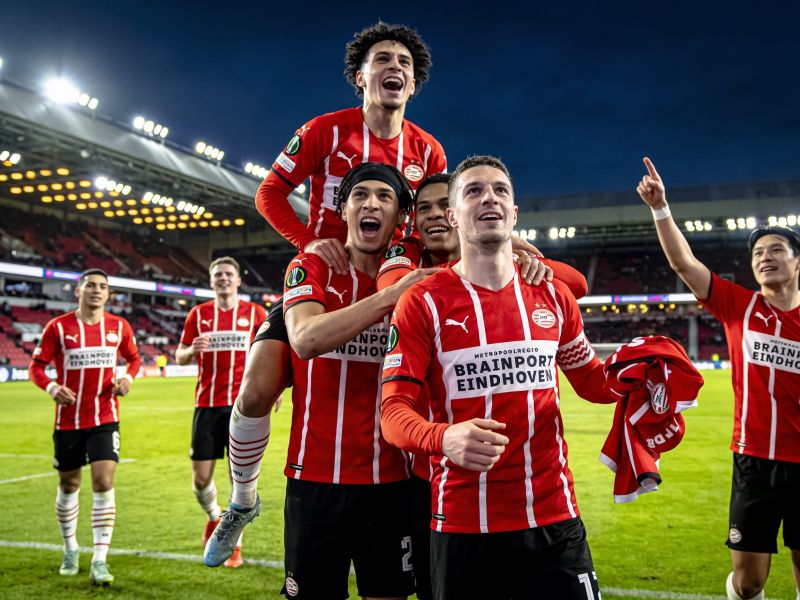
PSV Eindhoven combine domestic dominance, attacking football and European ambition under Peter Bosz.
V Eindhoven have turned the Philips Stadion into one of the most convincing home venues in Dutch football, combining relentless attacking play with a sharper competitive edge. The club’s recent rise is not built on one spectacular signing or a single lucky campaign. It has come through a clear sporting plan, strong recruitment and a squad comfortable with the demands of high-tempo football. PSV Eindhoven secured the 2023-24 Eredivisie title with an extraordinary record, winning 29 of 34 league matches and scoring 111 goals. That campaign changed the mood around the club. PSV Eindhoven were no longer simply chasing Ajax and Feyenoord;they were setting the pace from the opening weeks and refusing to surrender it.
Peter Bosz has been central to that transformation. His side presses high, moves the ball quickly and accepts the risks that come with attacking football. The approach can leave space behind the defensive line, yet PSV Eindhoven have generally made those risks worthwhile by creating chance after chance. Luuk de Jong remains the emotional and tactical reference point, even as the captain moves deeper to link play and guide younger teammates. His leadership is visible in small moments: a hand raised after a misplaced pass。a sprint toward a teammate celebrating, or a quiet conversation before a set piece. PSV Eindhoven look more mature when De Jong is involved, and their best performances often carry his imprint.The club’s recruitment strategy has also produced a useful blend of experience and resale potential. Johan Bakayoko offers directness on the wing, while American midfielder Malik Tillman has added strength and late runs around the penalty area. Jerdy Schouten gives PSV Eindhoven balance in midfield, allowing more creative players to move forward without leaving the team exposed after losing possession. Ismael Saibari has shown flashes of the athleticism required for the Champions League, and defenders such as Olivier Boscagli have helped maintain composure during difficult spells. These players do not all perform at the same level every week。but that is precisely why the squad matters. PSV Eindhoven can change the rhythm of a match from the bench, rather than depending on one preferred starting eleven.European competition remains the harder examination. The Eredivisie rewards consistency。while the Champions League punishes a single lapse within seconds. PSV Eindhoven have experienced both sides of that contrast, producing brave attacking displays against elite opponents but also conceding goals after losing control in midfield. Their progress in Europe will depend on more than pressing intensity. The team must defend crosses better, manage transitions with greater discipline and avoid turning every match into an open exchange. Bosz will not abandon his principles, and he should not. Still, PSV Eindhoven need a second gear for nights when opponents refuse to engage in a frantic contest. A patient 1-0 win can be as valuable as a thrilling 4-2 victory.The pressure has grown because domestic success now feels expected rather than surprising. PSV Eindhoven enter every league season with opponents prepared to sit deeper, slow the game and target the space behind their full-backs. That requires patience。especially when an early goal refuses to arrive. The club’s supporters have shown they understand the stakes, filling the stadium with noise but demanding more than entertainment. They want another title and a deeper European run. PSV Eindhoven have the resources, coaching and technical quality to pursue both ambitions, although injuries and fixture congestion could reshape the campaign. For now, the evidence points to a club operating with confidence and direction. PSV Eindhoven are not merely enjoying a strong cycle;
they are trying to make excellence part of the institution.